Evolution of Software Creation
The Early Days: From Hand-Crafted Code to Automation
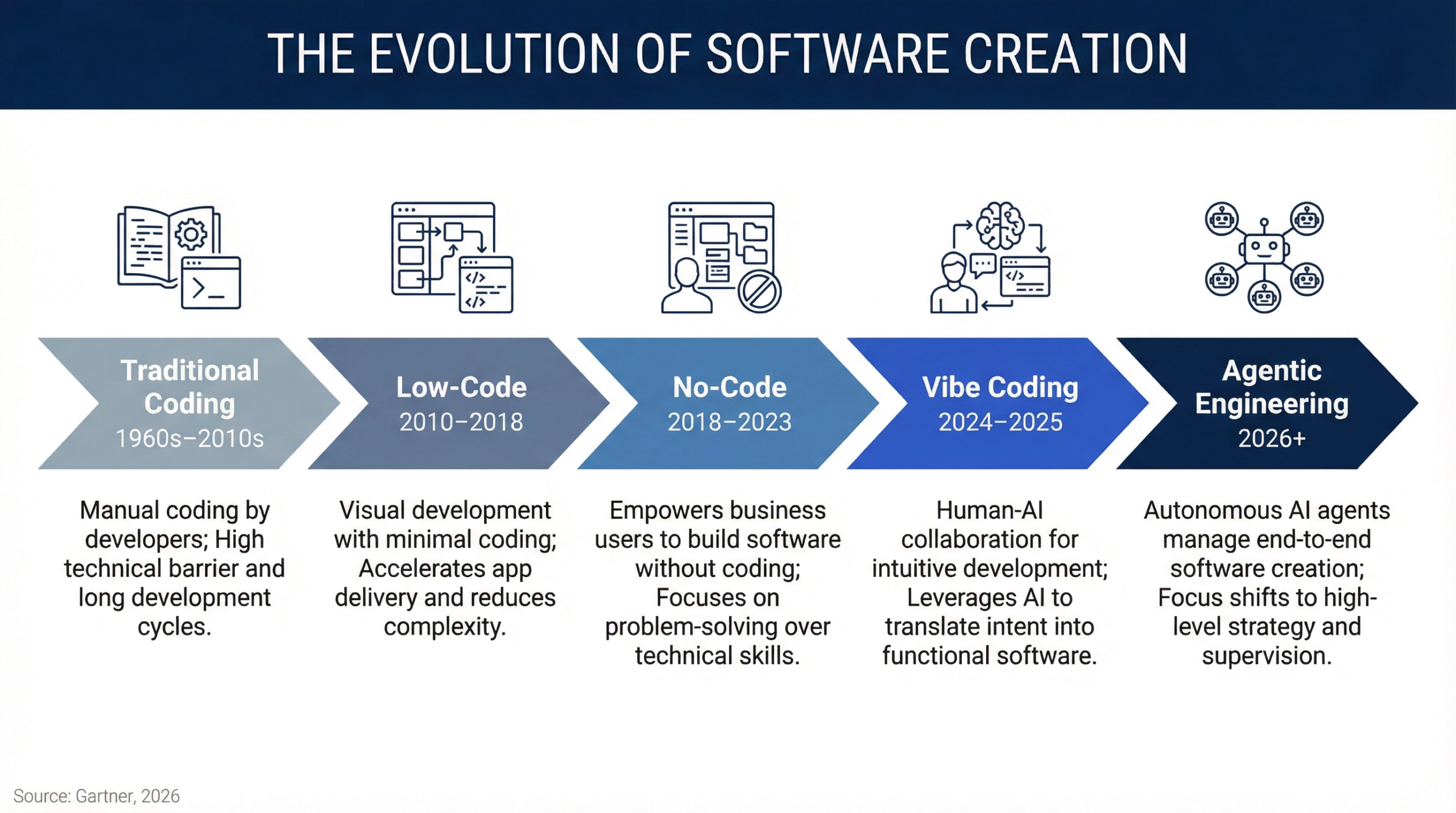
Software engineering began as a painstaking craft. Back in the 1950s and 60s, developers wrote every line of code by hand, often in assembly or early programming languages like Fortran and COBOL. It was a slow, error-prone process requiring deep technical skill and patience. As the decades rolled on, higher-level languages like C, Java, and Python emerged, speeding up development but still demanding manual coding for every feature and function.
Automation tools started to appear in the 90s and 2000s. Integrated Development Environments (IDEs) offered autocomplete and debugging, while version control systems like Git revolutionized collaboration. Still, developers were the main architects and builders, sculpting software with their own hands.
The Rise of AI in Software Development
Fast forward to the early 2020s, and the game changed dramatically. AI-powered code assistants like GitHub Copilot and OpenAI’s Codex began handling routine coding tasks. Suddenly, developers could generate boilerplate code, fix bugs, or even write entire functions by describing what they wanted in natural language.
By 2024, studies showed that 41% of all code was AI-generated in some form. This shift wasn’t just about saving time. It fundamentally altered the role of developers. Instead of typing out every line, engineers started focusing on system design, architecture, and problem-solving at a higher level. They became orchestrators rather than coders.
Gartner’s Bold Prediction: 60% AI-Generated Code by 2026
According to Gartner, by the end of 2026, 60% of all code will be generated or co-created by AI. This is a huge leap that signals a deeper transformation across industries. The ai future tech wave isn’t just about automation; it’s about integration, intelligence, and autonomy.
This means companies adopting AI in software development will gain massive competitive advantages: faster time-to-market, fewer bugs, and more innovative solutions. But it also means CTOs and HR leaders must rethink talent strategies. The demand shifts towards engineers who can manage AI agents, interpret outputs, and ensure ethical AI use rather than pure coding chops.
The Dawn of Agentic Engineering
Around 2025, the concept of “agentic engineering” took off. This new paradigm moves beyond AI as a tool to AI as a partner-specifically, AI agents that act autonomously to perform development tasks. Imagine a team of AI agents, each specialized in testing, debugging, performance tuning, or security analysis, working in concert under human supervision.
Developers now spend less time writing code and more time orchestrating these AI agents. They set goals, define parameters, and monitor progress. It’s a strategic role requiring a blend of technical expertise and leadership skills.
Real-World Examples of Agentic Engineering
Google’s internal development teams have already embraced agentic engineering concepts. They deploy AI agents that autonomously generate code modules, run tests, and even submit pull requests for review. This approach slashed their development cycles by 30% in some projects.
Similarly, Microsoft uses AI agents within Azure DevOps pipelines to optimize code quality and deployment schedules automatically. These AI agents analyze past deployment data, predict risks, and adjust workflows dynamically without human intervention.
What This Means for IT Nearshoring and Poland
Poland has become a hotspot for IT nearshoring, and the agentic engineering trend only accelerates this growth. Polish software engineers are known for strong technical skills and adaptability, making them perfect candidates to lead AI-human hybrid development teams.
AI corporate integration is a key driver here. Companies nearshoring to Poland can tap into a pool of talent that understands not just coding but also how to manage and optimize AI agents. This capability is essential for businesses aiming to stay competitive in the AI future tech era.
By 2026, Polish IT firms are expected to offer specialized training in agentic engineering. That means local teams won’t just follow instructions-they’ll design, implement, and oversee AI-driven development pipelines for global clients.
The Shift in Talent Acquisition and HR Strategies
For CTOs and talent acquisition directors, this evolution demands a new playbook. Traditional coding skills remain important but are no longer the sole focus. Candidates who can bridge the gap between AI tools and business goals will be in high demand.
HR directors and COOs should prioritize continuous learning programs that emphasize AI literacy, system orchestration, and ethical AI governance. These skills will define the workforce of the future, especially in nearshoring hubs like Poland, where a blend of tech expertise and cultural agility is a winning combo.
Wrapping Up
The road from hand-crafting code to commanding AI agents is one of the most profound shifts in software engineering history. By 2026, agentic engineering won’t be a futuristic concept-it will be the norm. Understanding this shift, and investing in the right talent and tools, will be critical for leaders ready to capitalize on the ai corporate integration wave and lead their organizations into the next frontier of innovation.
The Growth of Vibe Coding
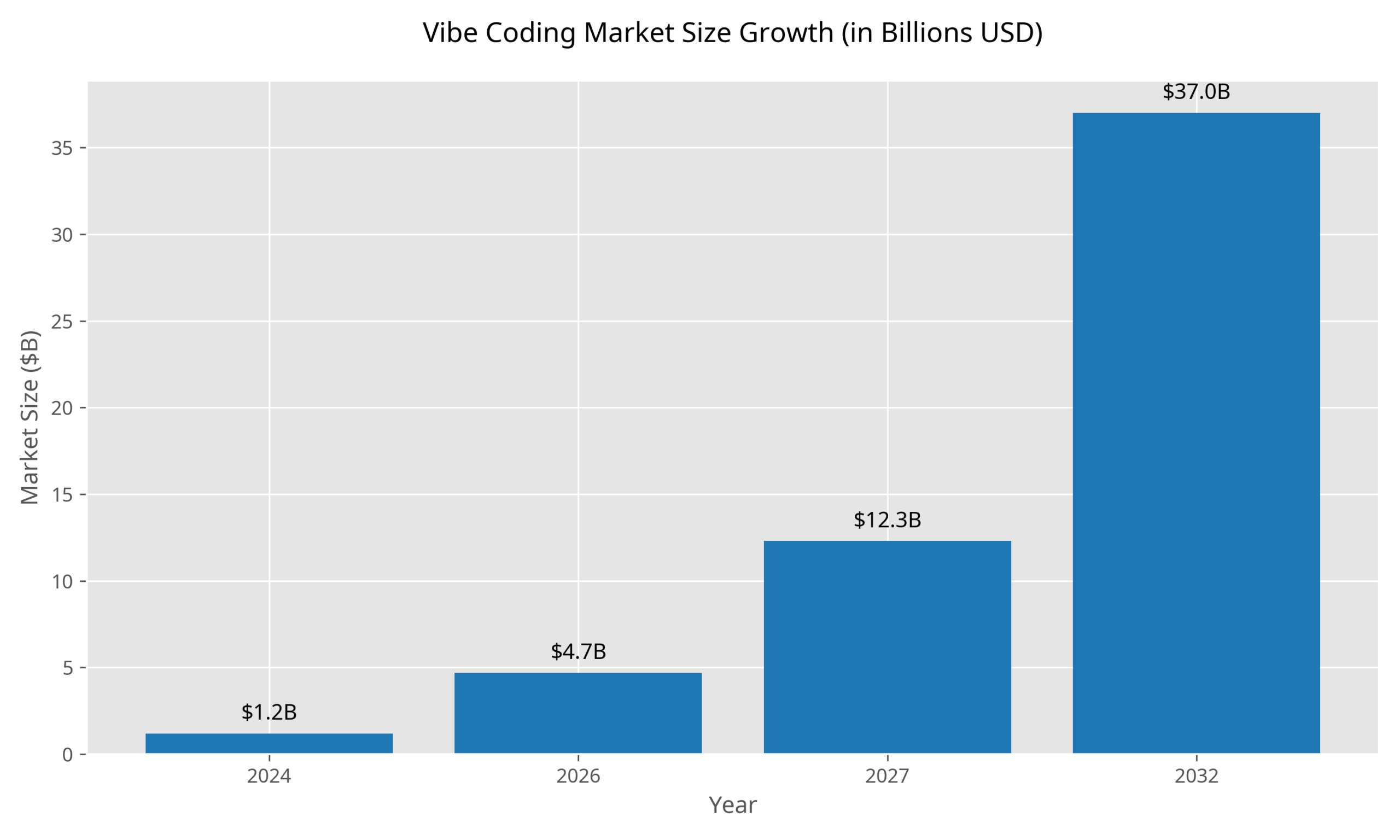
Vibe Coding Market Growth
As the data shows, the market is expanding rapidly, completely changing how we approach software development.
Sources
[1] Taskade. “State of Vibe Coding 2026: Market Size, Adoption & Trends.“ [2] Anthropic. “2026 Agentic Coding Trends Report.“ [3] Refonte Learning. “AI Engineering in 2026: Trends, Skills, and Career Opportunities.“ [4] World Economic Forum. “How we can balance AI overcapacity and talent shortages.“ [5] RemotelyTalents. “AI Engineer Salaries in 2026: US vs Europe vs Latin America.“ [6] RemoDevs. “The 2026 Polish IT Market Report: Salaries, Trends & Talent.“ [7] Itelence. “IT Nearshoring to Poland: 30-50% Cost Savings in 2025.“ [8] Sowelo. “Polish programmers among top 10 software developers in the world.“ [9] Morgan Stanley. “How AI Coding Is Creating Jobs.“ [10] Valley Central. “SignalHire Reveals Top 10 Most In-Demand AI Jobs for 2026.“ [11] Fungies.io Help Center. “Crypto and Stablecoins.“Table of content
- The Early Days: From Hand-Crafted Code to Automation
- The Rise of AI in Software Development
- Gartner’s Bold Prediction: 60% AI-Generated Code by 2026
- The Dawn of Agentic Engineering
- Real-World Examples of Agentic Engineering
- What This Means for IT Nearshoring and Poland
- The Shift in Talent Acquisition and HR Strategies
- Wrapping Up
- The Growth of Vibe Coding
Related articles

About the Author: Duke Vu