Why CTOs and HR Directors Should Care About Vibe Coding
If you think software engineering is just about lines of code and debugging, think again. The future is already here, and it’s called AI vibe coding. This new approach is shaking up how teams write, review, and deploy software. For CTOs, talent acquisition directors, HR directors, and COOs, understanding this shift isn’t optional-it’s essential.
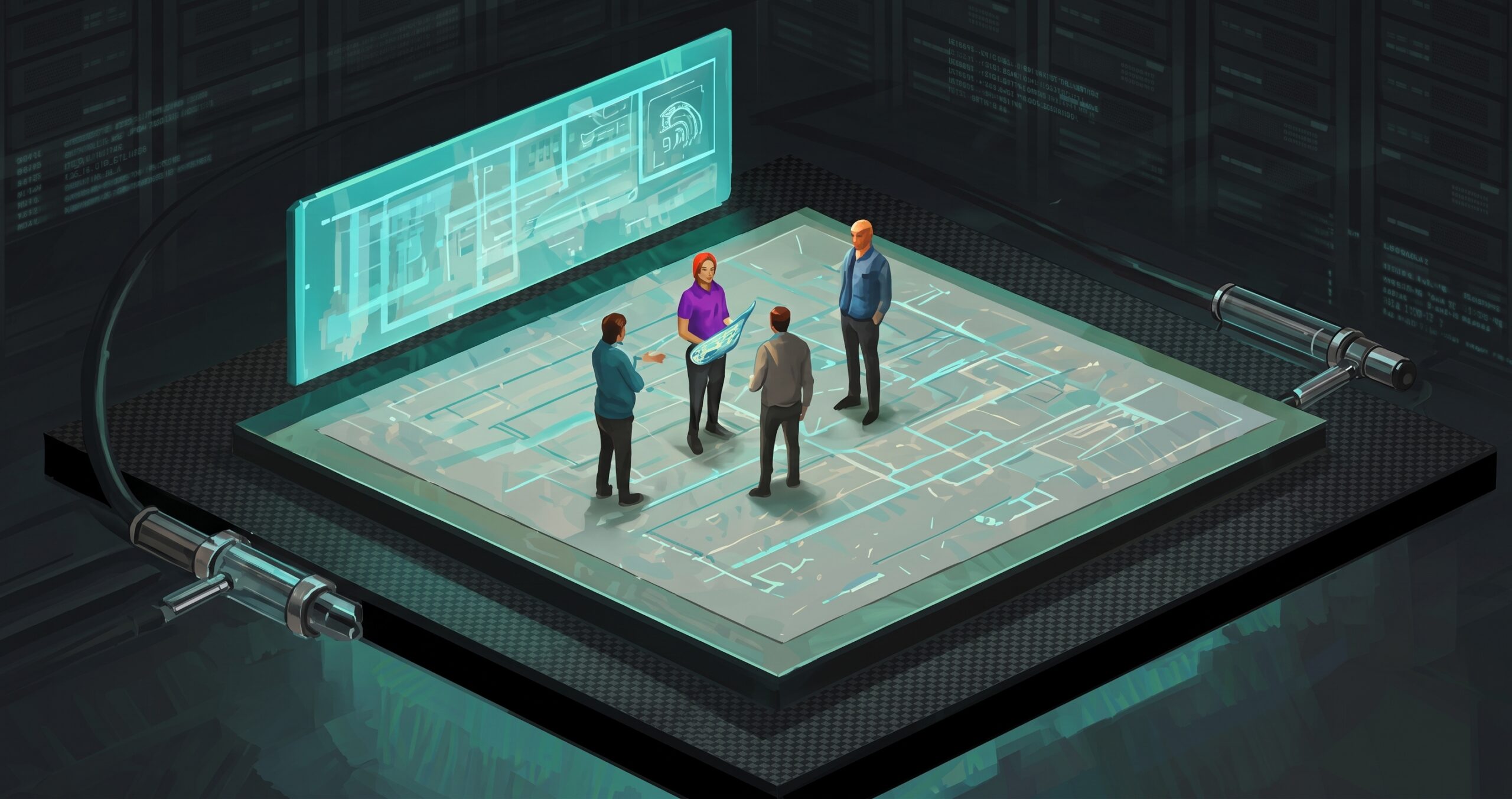
Imagine a development environment that adapts to your team’s rhythm, anticipates what developers need next, and integrates AI assistants that handle repetitive tasks so humans can focus on creative problem-solving. That’s vibe coding in action. It’s not just a buzzword; it’s a practical evolution in AI coding enterprise strategies that’s proving to boost productivity and reduce burnout.
What Is Vibe Coding, Really?
In simple terms, vibe coding is a collaborative coding method powered by AI that tunes itself to the developer’s flow state-or “vibe.” Instead of rigid, step-by-step programming, it allows for a more flexible, intuitive process. AI agents work alongside human engineers, suggesting code snippets, optimizing algorithms, and even spotting potential errors before they happen.
Think of it like having a smart coding partner who knows your preferences, understands your project’s context, and can jump in to assist exactly when you need it. This isn’t about replacing engineers; it’s about augmenting their skills with AI for enterprise tools that make software development faster and smarter.
Take, for example, a team building a complex financial app. With vibe coding, AI agents can automatically generate risk assessment modules based on current market data, freeing developers to focus on user experience and security measures. The result? Faster time to market and higher-quality software.
AI Agents: Your New Development Teammates
AI agents are at the heart of this transformation. They’re automated assistants embedded within coding platforms that learn from your team’s habits, project specifics, and coding standards. Unlike traditional code generators, these agents are dynamic, adapting to changing requirements and even suggesting improvements based on code quality metrics.
For enterprise leaders, this means less micromanaging and more confidence in delivery timelines. For HR directors and talent acquisition pros, it means hiring shifts focus. Instead of searching for coders who can grind through tedious tasks, the emphasis moves to recruiting thinkers and problem solvers who can collaborate with AI.
Poland’s tech scene is a great case in point. As AI vibe coding gains traction, Polish developers are quickly becoming some of the most sought-after talent worldwide, especially in AI and Big Data fields. That’s where companies like Correct Context (correctcontext.com) come in, specializing in IT staffing that matches businesses with top-tier AI and Big Data engineers from Poland.
Why This Matters for Your Business
The benefits of integrating AI for enterprise coding solutions go beyond speed and efficiency. Vibe coding and AI agents help reduce human error, increase code consistency, and foster innovation. For COOs and CTOs, these gains translate directly into a healthier bottom line and a competitive edge.
Moreover, as AI coding tools become more sophisticated, they’re changing the skills needed in software teams. The future workforce will combine deep technical knowledge with the ability to work alongside AI, interpret its suggestions critically, and drive strategic decisions.
In other words, if your organization isn’t ready to embrace this new way of working, you risk falling behind. The good news? Leveraging nearshoring to Poland for AI and Big Data talent means you can tap into a growing pool of engineers already familiar with ai coding enterprise tools and vibe coding methodologies.
The Perfect Storm: AI, Vibe Coding, and Nearshoring
The rise of AI vibe coding coincides with another major trend: IT nearshoring to Poland. This isn’t just about cost savings. Poland offers a rich talent pool of engineers who are fluent in English, well-versed in cutting-edge AI technologies, and culturally aligned with Western businesses.
Correct Context knows this market inside and out. By connecting enterprises with Polish AI and Big Data experts, they help organizations adopt vibe coding and AI agents seamlessly. This combination allows companies to scale development teams quickly while maintaining high quality and innovation standards.
For CTOs and HR leaders, this means fewer headaches around recruitment and onboarding. For COOs, it means optimizing operational efficiency without sacrificing project timelines.
Bottom Line: Get Ahead or Get Left Behind
The future of software engineering is not just about code. It’s about the vibe-the flow state where creativity meets AI-powered assistance. It’s about teams that work smarter, not harder, and organizations that leverage AI for enterprise innovations to stay competitive.
If you want to lead your company into this new era, start by understanding vibe coding and AI agents. Then, consider strategic partnerships with staffing experts like Correct Context to build the teams that will make it happen.
Because when the future knocks, it doesn’t wait.
Sources
[1] Taskade. “State of Vibe Coding 2026: Market Size, Adoption & Trends.“
[2] Anthropic. “2026 Agentic Coding Trends Report.“
[3] Refonte Learning. “AI Engineering in 2026: Trends, Skills, and Career Opportunities.“
[4] World Economic Forum. “How we can balance AI overcapacity and talent shortages.“
[5] RemotelyTalents. “AI Engineer Salaries in 2026: US vs Europe vs Latin America.“
[6] RemoDevs. “The 2026 Polish IT Market Report: Salaries, Trends & Talent.“
[7] Itelence. “IT Nearshoring to Poland: 30-50% Cost Savings in 2025.“
[8] Sowelo. “Polish programmers among top 10 software developers in the world.“
[9] Morgan Stanley. “How AI Coding Is Creating Jobs.“
[10] Valley Central. “SignalHire Reveals Top 10 Most In-Demand AI Jobs for 2026.“
[11] Fungies.io Help Center. “Crypto and Stablecoins.“